BIR Box Fight Looms as Senate Opens Sara Duterte Impeachment Trial
The Senate convenes on Monday, July 6, as an impeachment court to try Vice President Sara Duterte, opening what could be a months-long political and legal test for the administration and Congress. Senate President Sherwin Gatchalian will preside over the proceedings, with 22 senators expected to sit as senator-judges. Duterte faces accusations ranging from alleged misuse of confidential funds and unexplained wealth to bribery involving Department of Education officials and purported grave threats against President Ferdinand Marcos Jr., First Lady Liza Marcos and former House Speaker Martin Romualdez.
The trial’s first order of business under the Senate’s pre-trial directive is the article on alleged grave threats against the country’s top political figures. House prosecutors say they are ready to present their case and have lined up officials from the National Bureau of Investigation and the House Legislative Security Bureau as initial witnesses. They have also asked that the trial be conducted in both Filipino and English to widen public access to the proceedings. Senate rules allow Duterte to be represented solely by her lawyers, though prosecutors continue to urge her to appear in person.
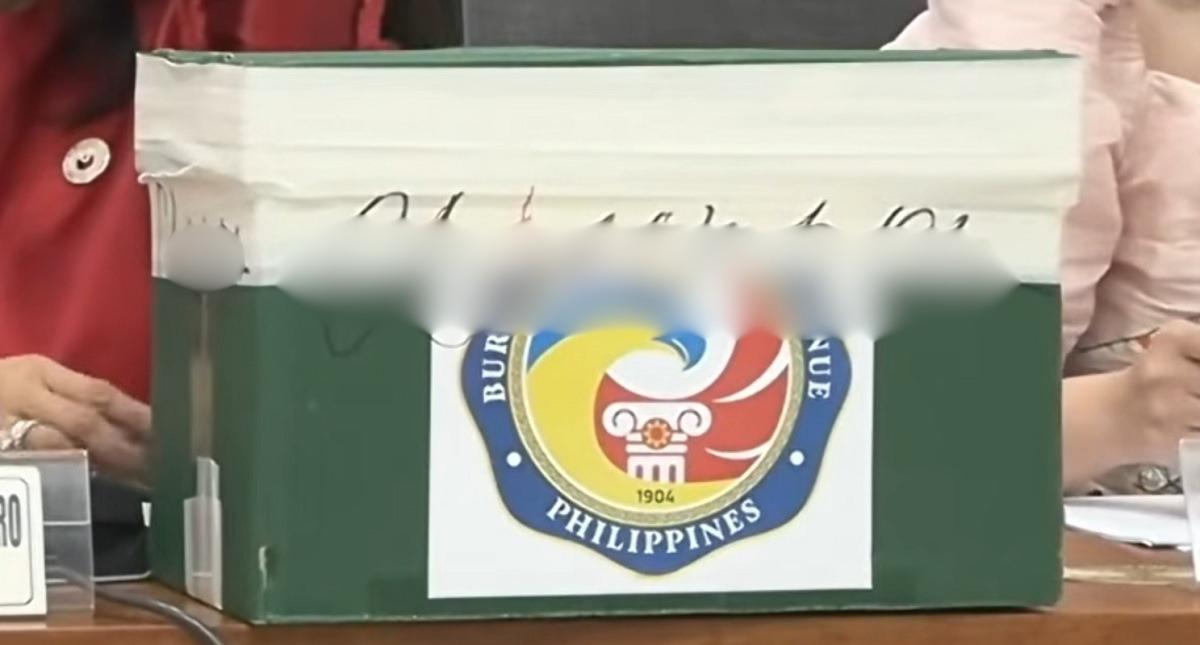
An early flashpoint is emerging over a sealed Bureau of Internal Revenue box containing the income tax returns of Duterte, her husband Manases Carpio, and related entities. The box was subpoenaed by the House Committee on Justice in March, but the panel deferred opening it until the case reached the Senate. House prosecutor and Manila Representative Joel Chua argues that the contents should be opened publicly by the impeachment court, likening the Senate’s role to that of a regular court in tax-evasion cases where income tax records can be produced under subpoena. “There is no need for it to be opened in an executive session since this is already an impeachment court,” Chua said at a news forum, insisting transparency should prevail.
Other senior lawmakers are more cautious. Senator Panfilo Lacson said the impeachment court had agreed not to open the sealed box amid concerns that doing so could breach confidentiality provisions under the National Internal Revenue Code. He noted that tax records may generally be disclosed only with written authority from the Office of the President or via a waiver executed by the taxpayer. If no legal basis is established to examine the documents, Lacson said, “The impeachment court has no business keeping the BIR box,” suggesting the Senate should return it to the House rather than risk violating tax secrecy rules.
For now, both camps signal they want the trial to move without unnecessary delays. Defense spokesperson Michael Poa said Duterte’s team “will not be the cause of any delay,” while stressing they would still file motions when needed to protect the vice president’s rights. Gatchalian has warned that the 92 trial days set in the calendar could stretch the process to seven or eight months, with hearings initially slated from Monday to Wednesday at 2 p.m., before shifting to a Tuesday–Thursday schedule after President Marcos delivers his State of the Nation Address on July 27. With two senators absent from the opening — Ronald “Bato” dela Rosa, who is reported to be in hiding, and Jinggoy Estrada, who is under a 90-day suspension — the remaining members of the chamber will now have to balance constitutional duties as judges with rising public expectations for a transparent but legally grounded impeachment process.